

he discipline aims to form in students theoretical knowledge and practical skills for planning, implementing and evaluating integrated STEM education (science, technology, engineering and mathematics) in an educational environment.
Objectives of the discipline
To introduce students to the principles and models of STEM and STEAM education.
To present modern pedagogical and technological approaches for integration between individual subject areas.
To develop skills for designing interdisciplinary STEM lessons and learning projects.
To form competencies for using digital technologies, engineering and scientific methods in education.
To encourage interdisciplinary thinking and cooperation between teachers of different subjects.
To prepare students for the role of leaders and innovators in the school STEM environment.
Expected learning outcomes
After successful completion of the course, students are expected to be able to:
Explain the basic concepts, principles and models of integrated STEM education.
Analyze and evaluate different approaches to integrating science, technology and engineering content.
Plan and implement cross-curricular STEM lessons and project-based activities.
Use modern digital tools (robotics, programming, simulations, 3D modeling, etc.) in the learning process.
Apply methods for formative and summative assessment of STEM competencies.
Demonstrate leadership and teamwork skills in the process of developing STEM initiatives.


The course Gamification and Learner Motivation examines the theoretical foundations and practical applications of gamification in education with a particular focus on increasing learner engagement, motivation, and persistence. Students explore how game design elements—such as points, levels, challenges, feedback, narratives, and rewards—can be integrated into learning environments to enhance participation and learning outcomes. The course emphasizes evidence-based approaches, motivational psychology, and instructional design principles, enabling students to design and implement gamified learning experiences suitable for STEM and interdisciplinary educational contexts. Special attention is given to ethical, cultural, and pedagogical considerations in the use of gamification in higher education and lifelong learning.

- Responsible: Trakya University team (Turkey)

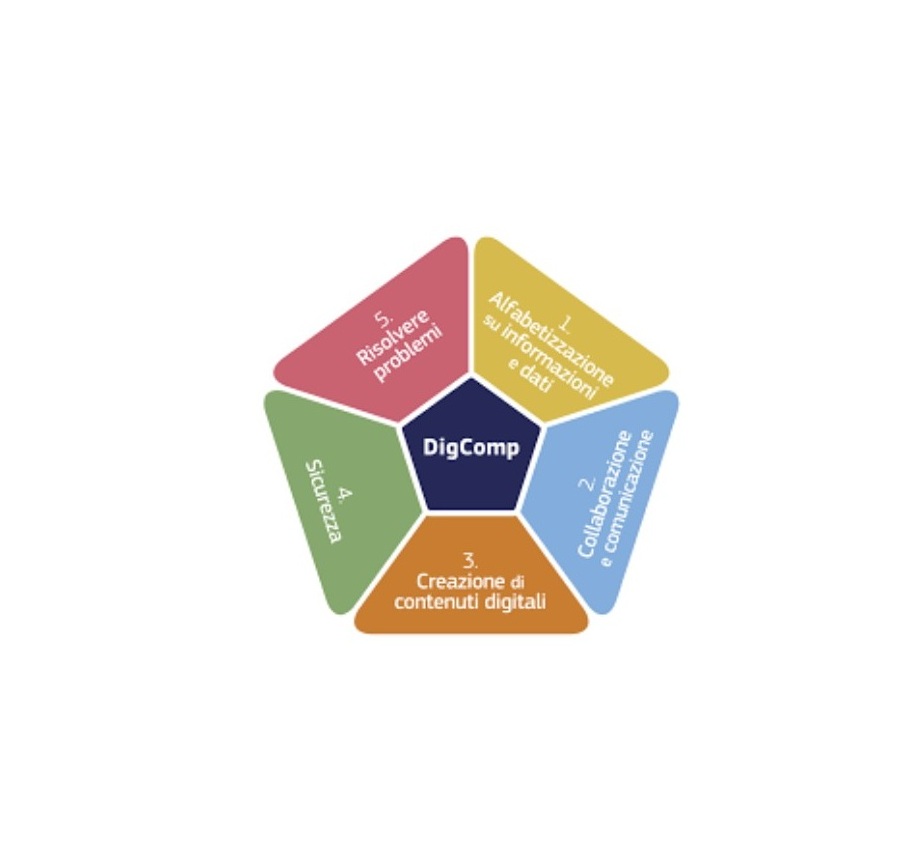
This course provides students with essential digital competences needed for effective learning, teaching, and professional communication in modern academic and workplace environments. Students explore fundamental concepts of digital literacy, visual communication, and responsible technology use while gaining hands-on experience with widely used digital tools such as Canva, Genially, Prezi, Google Forms, Kahoot, Mentimeter, and Quizizz. Through both theoretical and practical activities, students learn to design visually compelling materials, create interactive activities, analyze collected data, and evaluate the pedagogical value of digital technologies. By the end of the course, students are able to integrate digital tools responsibly, ethically, and creatively into educational and professional contexts.
- Responsible: University of Nis team (Serbia)