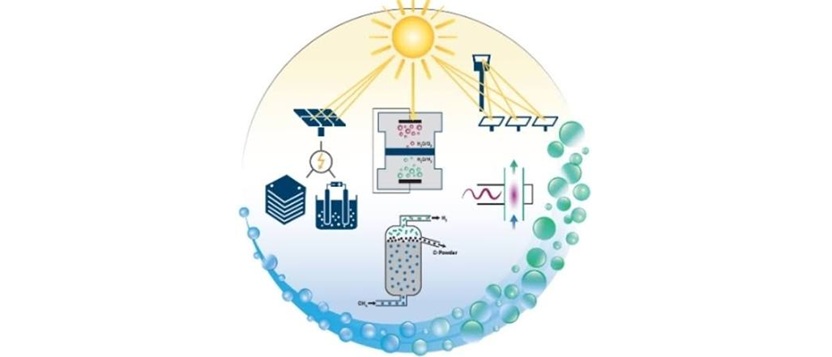


This course aims to provide students with a solid understanding of Green Chemistry and its role in sustainable science and industry. It introduces the 12 Principles of Green Chemistry, with emphasis on pollution prevention, waste minimization, safer chemical design, and responsible use of resources. Students will learn how to evaluate chemical processes using green chemistry metrics, such as atom economy, E-factor, and reaction mass efficiency.
The course focuses on practical approaches to cleaner synthesis, including catalysis (homogeneous, heterogeneous, and biocatalytic), alternative solvents such as water and supercritical CO₂, and energy-efficient methods such as microwave-assisted reactions. Topics also include renewable feedstocks, biodegradable and recyclable materials, and green analytical chemistry. Through lectures, laboratory exercises, and student projects, participants will gain skills to apply sustainable chemical principles in research, industry, and environmental protection contexts.
- Responsible: University of Nis team (Serbia)

- Responsible: Trakya University team (Turkey)
This course provides a comprehensive introduction to the physical principles governing the Earth’s environment. Students will explore the fundamental laws of physics—including thermodynamics, fluid dynamics, and radiation—as they apply to the atmosphere, hydrosphere, and soil. Key topics include the Earth's energy balance, the greenhouse effect, and the physics of water and mass transport. Additionally, the course examines the physical foundations of renewable energy sources and the impact of noise pollution on environmental health. By the end of the semester, students will have the analytical tools necessary to understand and address complex environmental challenges through the lens of modern physics.
- Responsible: University of Nis team (Serbia)